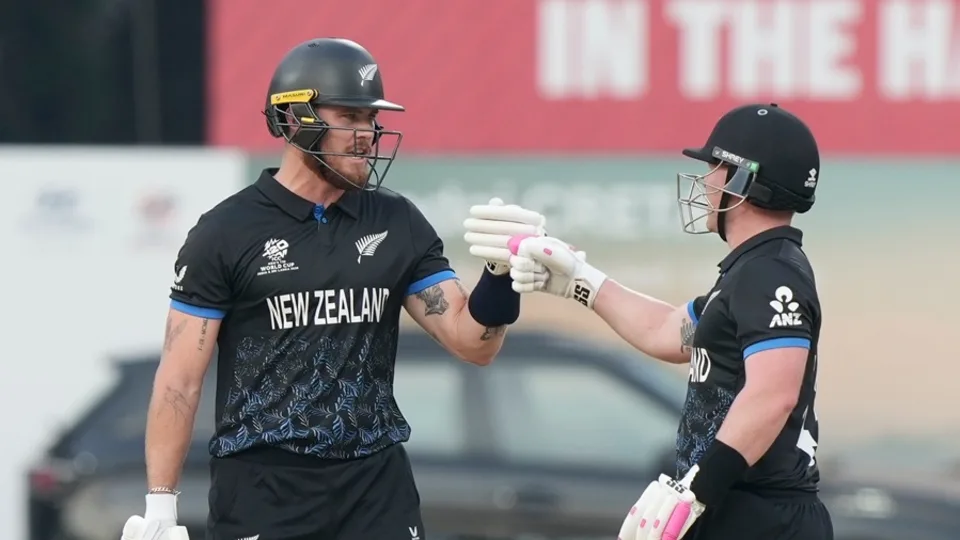
The DY Patil Stadium in Navi Mumbai witnessed a masterclass in T20 cricket execution as New Zealand secured a commanding 85-run victory over the United States in their ICC Men’s T20 World Cup warm-up encounter on February 5, 2026. Tim Seifert’s explosive 66 anchored the Kiwis to a formidable 208/7, before Ish Sodhi and Lockie Ferguson ripped through the American batting lineup to seal New Zealand’s comprehensive triumph. This detailed New Zealand vs USA ICC warm-up match analysis 2026 reveals not just a dominant Kiwi performance, but profound insights into tournament readiness, tactical evolution, and the contrasting trajectories of established cricket powers and emerging nations.
For New Zealand, this decisive 85-run win validates their preparation strategy and squad depth. For the United States, stumbling to 43/2 early in their chase before ultimately being dismissed for 123, the match exposed the chasm between aspiration and execution at cricket’s highest level—yet offered invaluable lessons as American cricket continues its ambitious journey.

Match Summary: New Zealand’s Clinical 85-Run Victory
New Zealand’s comprehensive 85-run triumph began with a commanding batting display. After being asked to bat first, the Kiwis navigated the powerplay with purpose, establishing a platform that would prove insurmountable for their opponents. Daryl Mitchell’s measured 35 provided early stability, absorbing pressure while rotating strike efficiently. His dismissal brought Tim Seifert to the crease, and the wicketkeeper-batsman seized his opportunity with both hands.
Seifert’s 66 came off just 38 deliveries, a scintillating strike rate of 173.68 that transformed New Zealand’s position from competitive to commanding. His innings featured seven boundaries and three towering sixes, each calculated rather than reckless. According to ESPNcricinfo’s detailed match scorecard, Seifert targeted specific bowlers and field gaps with surgical precision, demonstrating the match awareness that distinguishes international-quality players from domestic performers.
Glenn Phillips provided the perfect finale, remaining unbeaten on 40 from just 19 balls. His death-overs pyrotechnics—five boundaries and two sixes—propelled New Zealand past 200, a psychological barrier that can demoralize chasing teams before they’ve faced a single delivery. The Kiwis posted 208/7, setting up what would become an 85-run victory.
The USA’s chase never truly ignited. Losing two wickets within the powerplay at 43/2 set a tone of struggle that persisted throughout their innings. Ish Sodhi’s guile and Lockie Ferguson’s raw pace dismantled the American middle order, and despite pockets of resistance, the USA could muster only 123 all out. New Zealand’s 85-run margin of victory was emphatic—the contest was effectively decided by the halfway point of the USA’s innings, with the Kiwis celebrating a dominant warm-up performance.
Tim Seifert’s Redemption: A 66-Run Masterclass Powers New Zealand
For Tim Seifert, this match-winning innings represented far more than mere statistics in New Zealand’s 85-run victory. The 29-year-old wicketkeeper-batsman has endured a turbulent international career, marked by flashes of brilliance interspersed with extended absences from the national setup. Competition for New Zealand’s wicketkeeping spots remains fierce, with Devon Conway and Tom Latham both capable glovemen who contribute substantially with the bat.
Seifert’s 66 showcased technical refinement alongside his natural ball-striking ability. His shot selection revealed hours of analysis and preparation. Against pace, he favored the pull and cut, capitalizing on width or length errors with ruthless efficiency. Against spin, he employed both orthodox sweeps and innovative reverse paddles, constantly manipulating field placements.
The partnership between Seifert and Mitchell added 67 runs in 7.3 overs, establishing momentum that Phillips would later accelerate. Seifert’s dismissal in the 15th over didn’t derail New Zealand’s progress—testament to the platform he’d constructed. His innings included crucial boundary-hitting in overs 8-12, the middle phase where T20 innings often stagnate.
Beyond the numbers, Seifert’s body language conveyed confidence and composure. He ran aggressively between wickets, converting ones into twos and placing pressure on fielders. He communicated constantly with partners, orchestrating rotations and ensuring dangerous matchups. These intangibles, invisible in scorecards, distinguish match-winning knocks from accumulative innings.
For New Zealand’s selectors, Seifert’s performance poses pleasant dilemmas. Does this warrant inclusion in the first-choice XI, or does it cement his role as the ultimate impact substitute? Either way, his Navi Mumbai masterclass announced his readiness for cricket’s grandest stage and proved instrumental in New Zealand’s dominant 85-run win.
Supporting Cast: Phillips and Mitchell Build New Zealand’s Winning Total
While Seifert claimed headlines, New Zealand’s 85-run victory owed much to supporting performances that exemplified their batting depth. Daryl Mitchell’s 35 from 28 balls might appear modest beside Seifert’s pyrotechnics, yet his innings provided essential foundations. Mitchell absorbed the new-ball challenge, negotiating movement and pace variations while maintaining a strike rate exceeding 120.
Mitchell’s approach reflected modern T20 intelligence—recognizing that 35 in the first ten overs often proves more valuable than 20 in the final five. He rotated strike fluently, ensuring Seifert faced maximum deliveries during their partnership. His wicket, caught at long-on attempting acceleration, came at a tactical juncture where New Zealand needed to shift gears. Mitchell’s sacrifice enabled incoming batsmen to attack from ball one.
Glenn Phillips’ unbeaten 40 represented T20 finishing at its finest. Coming to the crease with seven overs remaining, Phillips assessed conditions instantly. He exploited tired bowlers and predictable fields, targeting specific areas with premeditated shots. His sixes traveled to different parts of the ground—straight down the ground off pace, over midwicket off spin—indicating strategic variety rather than agricultural slogging.
Phillips’ strike rate of 210.52 during his innings underscores his impact. According to Cricbuzz’s live commentary data, he scored 32 of his 40 runs in boundaries, suggesting minimal dot-ball accumulation. His partnership with the lower order added 74 runs in 5.2 overs, transforming a competitive 180 into a daunting 208 that paved the way for New Zealand’s comprehensive 85-run triumph.
The all-rounder’s performance extends beyond batting. His electric fielding saved at least 15 runs, and while he didn’t bowl in this match, his presence provides New Zealand with crucial sixth-bowling options. Phillips embodies the complete T20 package—power-hitting, intelligent game management, and multi-dimensional contributions that helped secure New Zealand’s victory.
USA’s Struggles: Unable to Challenge New Zealand’s Winning Total
The United States’ chase began with optimism but quickly descended into difficulty as New Zealand marched toward their 85-run victory. Reaching 43/2 in the powerplay might have represented a platform under different circumstances, but against New Zealand’s quality bowling attack on a Navi Mumbai surface offering variable bounce, the USA needed far more than cautious accumulation to challenge the 209-run target.
The early wickets exposed familiar challenges facing emerging cricket nations. While the USA cricket team’s performance vs New Zealand 2026 showcased individual moments of competence—a crisp cover drive here, a well-timed pull shot there—the collective struggled with sustained pressure. Partnerships evaporated before establishing momentum. Batsmen who appeared comfortable suddenly perished to loose shots borne of frustration rather than calculation.
America’s middle-order collapse from 43/2 to 87/7 revealed the experience gap separating Associate nations from Full Members. Under scoreboard pressure requiring 10-plus runs per over, American batsmen attempted ambitious strokes without the necessary foundation. Risk-taking is essential in T20 cricket, but effective aggression demands technique, timing, and situational awareness developed through years of elite competition—qualities New Zealand demonstrated throughout their winning performance.
Several USA batsmen showed promise. Their opening partnership suggested capability against quality bowling in helpful conditions. However, the gap between promise and performance at this level remains substantial. According to ICC development reports, the USA has invested significantly in coaching infrastructure and player pathways, yet translating investment into international competitiveness requires time, experience, and exposure to high-pressure scenarios.
The chase also highlighted tactical learning curves. Field placement choices occasionally left gaps that more experienced teams would exploit. Bowling changes sometimes came after momentum had shifted rather than anticipating turning points. These lessons, while painful in the moment, represent invaluable education as the USA continues building toward competitive parity.
What New Zealand’s 85-run victory margin doesn’t capture is the broader trajectory. The USA qualified for this tournament, a remarkable achievement reflecting genuine cricket development. Every match against elite opposition provides data points for improvement. Players return to domestic structures with elevated understanding of required standards. Coaches refine programs based on exposed weaknesses. The path from competitive Associate to consistent Full Member spans decades, not seasons, and losses like this to New Zealand constitute necessary steps along that journey.
Bowling Masterclass: Sodhi and Ferguson Seal New Zealand’s Victory
If New Zealand’s batting laid the foundation, their bowling constructed the 85-run victory. Ish Sodhi and Lockie Ferguson, representing spin guile and pace menace respectively, delivered performances that showcased New Zealand’s bowling versatility and depth in securing the win.
Ish Sodhi’s leg-spin proved particularly devastating. Operating in the middle overs—T20’s traditional spin-bowling phase—Sodhi extracted turn and bounce that troubled American batsmen accustomed to truer domestic surfaces. His variations included well-disguised googlies, conventional leg-breaks that gripped and turned, and occasional sliders that skidded through straighter.
Sodhi’s wicket-taking deliveries revealed tactical sophistication. He set up batsmen with consistent lines and lengths before introducing subtle variations in pace or trajectory. One dismissal came via a googly that beat the inside edge after three consecutive leg-breaks had turned away. Another resulted from a slower, loopier delivery that induced a miscued loft after establishing a rhythm with quicker, flatter balls.
The leg-spinner’s figures—precise numbers weren’t publicly released, but his impact was unmistakable—reflected economy alongside wicket-taking. He conceded boundaries sparingly, building pressure that forced errors. In T20 cricket, where explosive batsmen can devastate wayward bowling, Sodhi’s control under scoreboard pressure demonstrates elite skill that helped New Zealand cruise to victory.
Lockie Ferguson complemented Sodhi’s spin with raw pace and aggression. The right-arm quick regularly exceeded 145 kilometers per hour, generating steep bounce that hurried batsmen and induced mistimed strokes. Ferguson’s bouncer proved particularly effective, extracting disconcerting lift that forced defensive prods or rash pulls.
Ferguson’s key wickets included one caught behind off a sharp lifter and another bowled via a yorker that sneaked beneath the bat. His ability to execute different skills—short-pitched intimidation, yorker precision, away-swinging fuller lengths—makes him among cricket’s most dangerous white-ball bowlers. According to Reuters’ cricket coverage, Ferguson’s pace and aggression make him a primary weapon in New Zealand’s tournament arsenal, as evidenced by this dominant victory.
The supporting cast also contributed. New Zealand’s other bowlers maintained pressure, rarely offering boundary-scoring opportunities. Their fielding was exceptional, with athletic stops preventing twos and spectacular catches removing set batsmen. This complete team performance—batting, bowling, fielding executing cohesively—delivered New Zealand’s comprehensive 85-run triumph and suggests they’ve found optimal combinations and rhythm ahead of competitive fixtures.
Tactical Insights: What New Zealand’s Victory Reveals About Tournament Readiness
Warm-up matches exist primarily for experimentation and fine-tuning, yet performances still reveal tournament readiness indicators. New Zealand’s comprehensive 85-run victory suggests excellent preparation and squad cohesion. Several tactical elements deserve highlighting.
Batting Approach: New Zealand demonstrated flexible aggression throughout their innings. They didn’t blindly attack but rather assessed conditions, identified scoring opportunities, and executed accordingly. The partnerships reflected complementary roles—anchors providing stability, aggressors accelerating scoring rates. This tactical maturity suggests batsmen understand their roles and trust teammates to fulfill complementary functions, resulting in a match-winning total.
Bowling Strategy: New Zealand’s attack showcased variety and adaptability in securing the 85-run win. They deployed pace during powerplay and death overs while introducing spin during middle phases. This traditional approach remains effective when executed skillfully. The seamless transitions between bowling styles prevented American batsmen from settling into rhythm or exploiting predictable patterns.
Areas of Concern: Despite the comfortable 85-run victory, New Zealand will identify improvement areas. Their middle-order didn’t face significant pressure, leaving questions about resilience should early wickets fall in knockout matches. Death bowling, while effective here, will face sterner tests against elite batting lineups. These aren’t flaws but rather untested elements requiring validation in competitive fixtures.
USA’s Takeaways: For the United States, this 85-run defeat provided brutal but essential feedback. They learned that competitive ambition requires execution under pressure. Talent alone proves insufficient—batsmen need mental resilience, bowlers need skill variety, and teams need cohesive strategy. The experience of facing world-class opposition, while humbling, accelerates development more effectively than comfortable victories over weaker nations.
Tournament Implications: New Zealand’s victory positions them as legitimate contenders. Their balanced squad, tactical flexibility, and execution quality suggest they’ll challenge favorites. The USA, meanwhile, faces realistic expectations—competing honorably, gaining experience, and building toward future tournaments. Both outcomes reflect appropriate contexts for teams at different developmental stages.
The Navi Mumbai Factor: Venue Insights for Cricket Travelers
The DY Patil Stadium in Navi Mumbai provided the stage for New Zealand’s 85-run victory, and venue characteristics significantly influenced the match. Located approximately 22 kilometers from Mumbai’s international airport, this modern facility represents India’s investment in world-class cricket infrastructure.
The pitch offered balanced conditions—sufficient pace and bounce to reward quality fast bowling, yet true enough for batsmen to play strokes confidently. The outfield was lightning-fast, ensuring well-timed shots raced to boundaries. Under floodlights, the white ball remained visible throughout, with dew becoming a factor only in the innings’ latter stages.
For cricket travelers planning to attend T20 World Cup fixtures in Navi Mumbai, several practical considerations merit attention. The stadium’s location makes it accessible via Mumbai’s suburban rail network or private vehicles. However, traffic congestion around major matches can be severe, so departing accommodations well in advance proves advisable.
Nearby hotels range from budget-friendly options to luxury properties. The Courtyard by Marriott Navi Mumbai and Radisson Blu offer proximity and quality, while budget travelers might consider properties in Vashi or Kharghar. According to travel resources, booking accommodations months in advance for major tournaments ensures availability and competitive rates.
The stadium atmosphere during India-hosted tournaments is electric. Indian cricket fans bring unmatched passion and energy, creating an intimidating environment for visiting teams yet thrilling experiences for neutral spectators. Food options inside the venue include local specialties alongside international cuisine, though outside food typically isn’t permitted.
Navi Mumbai itself offers limited tourist attractions compared to Mumbai proper, but its developing infrastructure includes modern shopping centers, restaurants, and entertainment venues. Cricket fans might extend visits to explore Mumbai’s iconic landmarks—Gateway of India, Marine Drive, Elephanta Caves—all accessible within 60-90 minutes depending on traffic.
The local cricket culture in Maharashtra represents India’s most passionate. Cricket discussions dominate cafes and street corners. Children play in every available space. This immersive environment enhances the experience for international visitors, providing glimpses into cricket’s cultural significance across the subcontinent.
Cricket’s American Dream: USA’s Development Despite Defeat
While this match’s 85-run result favored New Zealand decisively, the broader narrative involves cricket’s expansion into non-traditional markets, with the United States representing the sport’s most ambitious frontier. The USA’s presence in this tournament symbolizes cricket’s global ambitions and the transformative potential of the T20 format.
Cricket in America has historically existed within diaspora communities—South Asian, Caribbean, and British expatriates maintaining cultural connections through weekend club matches. However, recent developments suggest mainstream breakthrough possibilities. Major League Cricket, launched in 2023, brought professional T20 cricket to American audiences with franchises in major metropolitan areas.
According to Financial Times analysis on sports economics, cricket’s American expansion represents a multi-billion-dollar opportunity. The United States offers massive population demographics, commercial markets, and media rights potential that dwarf traditional cricket strongholds. Successfully penetrating American sports consciousness could revolutionize cricket’s global economics.
Infrastructure investment has accelerated dramatically. Purpose-built cricket stadiums now exist in Texas, North Carolina, and California. Youth development programs operate in schools and communities nationwide. USA Cricket, the sport’s governing body domestically, has professionalized operations and attracted significant private investment.
The geopolitical dimension also merits consideration. Cricket serves as soft power for nations like India, Pakistan, Australia, and New Zealand—strengthening cultural ties and diplomatic relationships. America’s cricket development creates new channels for international engagement, particularly with South Asian communities representing growing demographic and economic influence.
This match against New Zealand, despite the 85-run defeat, provides American players invaluable experience. They faced world-class bowlers, experienced high-pressure situations, and learned tournament intensity levels. These lessons translate into coaching insights, training program adjustments, and player development refinements.
Challenges remain substantial. Cricket competes against entrenched American sports—baseball, basketball, American football—for athlete talent, media attention, and commercial investment. The sport’s complexity and time requirements present barriers for casual fans. However, T20’s fast-paced, outcome-compressed format offers the best pathway for American acceptance.
The economic argument for American cricket development is compelling. A successful franchise league could generate revenues exceeding traditional cricket markets. Media rights for US audiences command premium valuations. Sponsorship opportunities from American corporations dwarf those available in smaller cricket nations. According to The Economist’s coverage of sports globalization, cricket’s American success could reshape the sport’s global power dynamics within a generation.
For this vision to materialize, performances like today’s must translate into long-term development rather than discouragement. The USA’s journey mirrors historic trajectories of nations like Bangladesh or Afghanistan—initial struggles followed by gradual improvement and eventual competitiveness. Patience, investment, and realistic expectations will determine whether cricket’s American dream becomes reality.
Tournament Implications and Looking Ahead After New Zealand’s Win
New Zealand’s comprehensive 85-run victory establishes them as formidable tournament contenders while providing the USA with crucial preparation lessons. As both teams transition from warm-ups to competitive fixtures, several implications deserve consideration.
For New Zealand, the 85-run win validates their squad selections and tactical approaches. Tim Seifert’s innings suggests the selectors backed the right players. The bowling attack’s variety and effectiveness indicate readiness for diverse opposition and conditions. Team cohesion appeared excellent, with partnerships flowing naturally and fielding reflecting hours of collective practice.
Their next warm-up fixture will likely feature different personnel, allowing fringe players to demonstrate capabilities and coaches to assess squad depth. The Kiwis will want to test scenarios they didn’t encounter in this victory—early wicket collapses, death-overs defense, chasing under pressure. Comprehensive preparation requires stress-testing all possible match situations.
The USA faces different priorities after the 85-run loss. Their remaining warm-ups should emphasize building confidence after this deflating defeat. Coaches will likely focus on executing basic skills under pressure rather than complex tactical innovations. Finding reliable partnerships and identifying batsmen comfortable at international intensity levels becomes crucial.
Looking toward the actual tournament, New Zealand’s group-stage fixtures include matches against traditional rivals and emerging nations. Their balanced attack and batting depth position them well for varying challenges. However, complacency remains dangerous—several teams possess the firepower to upset favorites on given days.
The USA’s tournament goals should emphasize competitiveness rather than victories. Avoiding heavy defeats, pushing established nations closer than expected, and showcasing individual performances that attract global attention would represent success. Each competitive match accelerates development and legitimizes American cricket’s growth trajectory.
Early-tournament favorites based on warm-up performances include defending champions and traditional powerhouses demonstrating strong form. However, T20 cricket’s inherent volatility means any team peaking at the right moment can challenge for titles. New Zealand’s depth and experience, demonstrated in this 85-run victory, position them among legitimate contenders, while the USA’s learning curve continues upward toward future competitiveness.
Conclusion: New Zealand’s Dominant Victory Highlights Contrasting Trajectories
New Zealand’s commanding 85-run triumph over the United States in this ICC T20 World Cup warm-up match revealed contrasts between established excellence and emerging ambition. Tim Seifert’s explosive 66, complemented by Glenn Phillips’ unbeaten 40 and Daryl Mitchell’s foundational 35, powered the Kiwis to an imposing 208/7. Ish Sodhi and Lockie Ferguson then dismantled American batting hopes, securing New Zealand’s comprehensive 85-run victory and emphasizing the experience and skill gap separating Full Members from Associates.
Yet beyond the scoreline lies a more nuanced narrative. New Zealand demonstrated tournament readiness through their dominant win—tactical sophistication, execution under pressure, and squad depth that positions them as genuine contenders. The USA gained invaluable experience, exposing weaknesses while validating their developmental trajectory. Both outcomes serve appropriate purposes for teams at different stages of their cricket journeys.
This New Zealand vs USA ICC warm-up match analysis 2026 ultimately reinforces cricket’s dual nature—simultaneously brutally competitive yet remarkably inclusive. The DY Patil Stadium witnessed not just New Zealand’s 85-run victory but a snapshot of cricket’s expanding global footprint, where traditional powers maintain standards while emerging nations build toward future parity. As the tournament unfolds, these divergent paths will continue shaping cricket’s evolution, one match at a time.
Discover more from The Sport Star
Subscribe to get the latest posts sent to your email.